
Computer Vision
Teach machines to see.
Detection, classification, segmentation, OCR, and video analytics. Production systems with real-time inference and edge deployment.
99.2% detection accuracy achieved

What you get
Object Detection & Tracking
Real-time detection and multi-object tracking for surveillance, retail analytics, and industrial inspection using YOLOv8 and Detectron2.
Image Classification
Multi-class and multi-label classifiers for medical imaging, quality control, document categorization, and content moderation.
Segmentation
Semantic, instance, and panoptic segmentation with SAM and Mask R-CNN for pixel-level scene understanding.
Video Analytics
Frame-level and temporal analysis for activity recognition, anomaly detection, crowd counting, and traffic monitoring.
OCR & Document AI
Structured data extraction from invoices, receipts, forms, and handwritten documents with layout-aware models.
Generative Visual AI
Image generation, inpainting, style transfer, and synthetic data generation for training data augmentation.
Built with
Who this is for
We work with companies that have a visual inspection, monitoring, or extraction problem that humans currently solve at scale. If your business routes images or video through human review, there's likely a system that can automate or triage it.
Manufacturing
Defect detection and quality control on production lines.
Retail
Shelf monitoring and customer flow analytics across stores.
Healthcare
Medical image classification inside radiology workflows.
Logistics
Damage detection on shipments and OCR extraction from shipping documents.
How we deliver
- Phase_01
Discovery & Feasibility
We assess the visual problem, evaluate data availability, and determine the right model architecture before writing code.
- Phase_02
Data Pipeline & Annotation
Build the annotation workflow, data augmentation pipeline, and quality assurance process that feeds the model.
- Phase_03
Model Development
Iterative training with experiment tracking, hyperparameter optimization, and rigorous evaluation on held-out test sets.
- Phase_04
Production Deployment
Optimized inference with TensorRT or ONNX, edge deployment options, monitoring, and automated retraining triggers.
Questions we hear
For controlled environments -- industrial inspection on a fixed camera, document extraction from standardized forms -- we regularly achieve 94-99% accuracy. For unconstrained real-world video (pedestrian detection, retail shelf monitoring) expect 85-93% mAP. We benchmark on a held-out test set that mirrors your production distribution and report precision, recall, and F1 separately.
For fine-tuning a pretrained model like YOLOv8 or Florence-2, 500-2,000 annotated examples per class is often enough for a working baseline. Complex classes with high visual variability may need 5,000-10,000 examples. We use data augmentation via Albumentations to extend smaller datasets and synthetic data generation when real examples are scarce.
Edge deployment (Jetson, NVIDIA hardware) makes sense when you need sub-100ms latency without network dependency. Cloud inference is simpler to manage but adds 50-200ms of network latency. Many clients use a hybrid: a lightweight ONNX model on-device for real-time decisions, with heavier analysis offloaded to cloud batch processing.
Yes. We optimize models with TensorRT or ONNX Runtime, which typically cuts inference time by 2-4x. A YOLOv8n model on a Jetson Orin runs at 60+ FPS; the same model on an A10G GPU handles 8-10 camera streams simultaneously. Throughput requirements are part of the architecture conversation.
A focused detection or classification project with annotated data in hand can reach a working prototype in 3-4 weeks. End-to-end delivery including annotation pipeline setup, model training, edge deployment, and monitoring typically runs 8-14 weeks. The biggest schedule variable is annotation turnaround time.
Work in Computer Vision
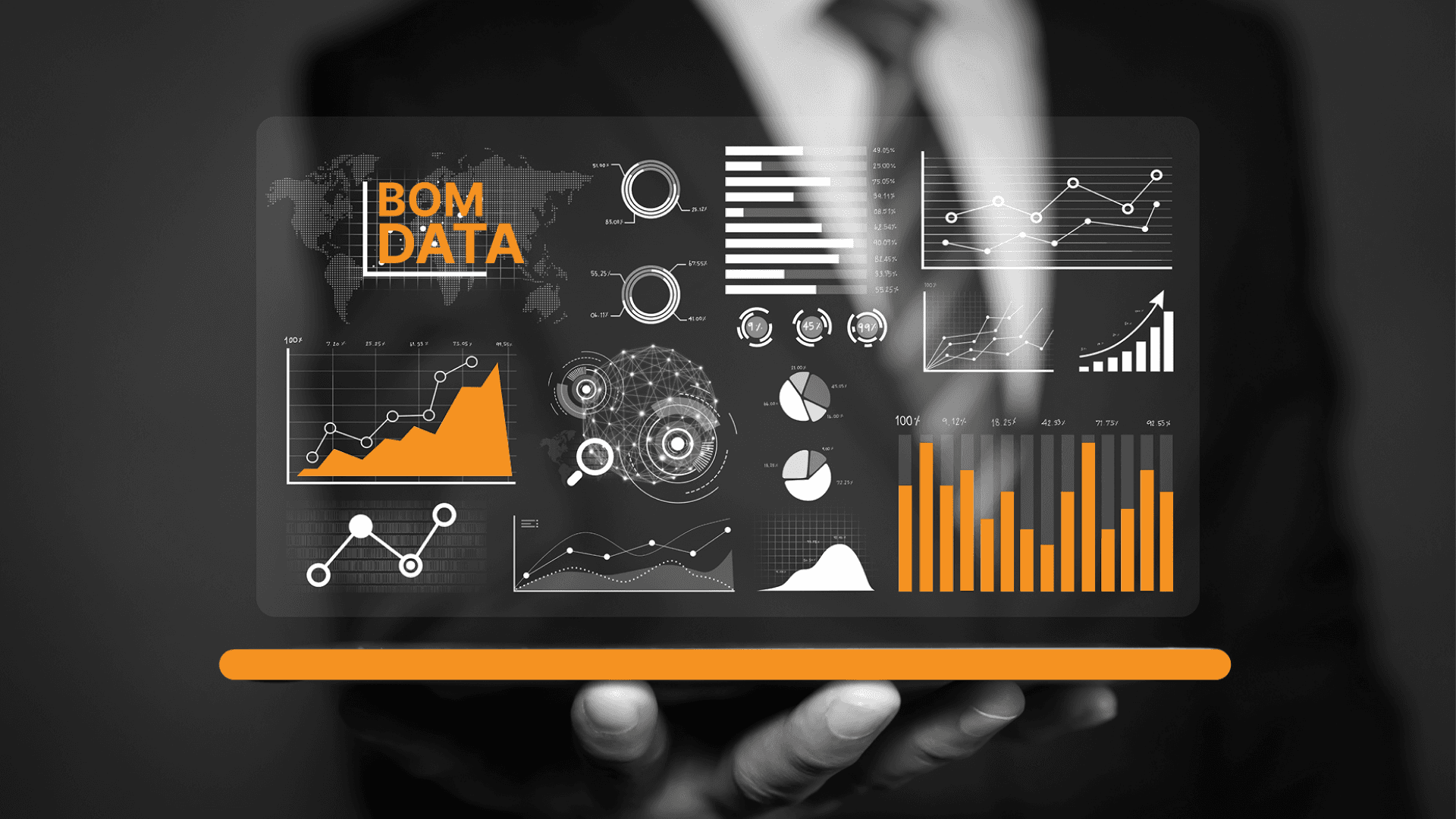
BOM Extraction System
Intelligent document processing platform that extracts, structures, and manages Bills of Material from engineering drawings and PDFs.
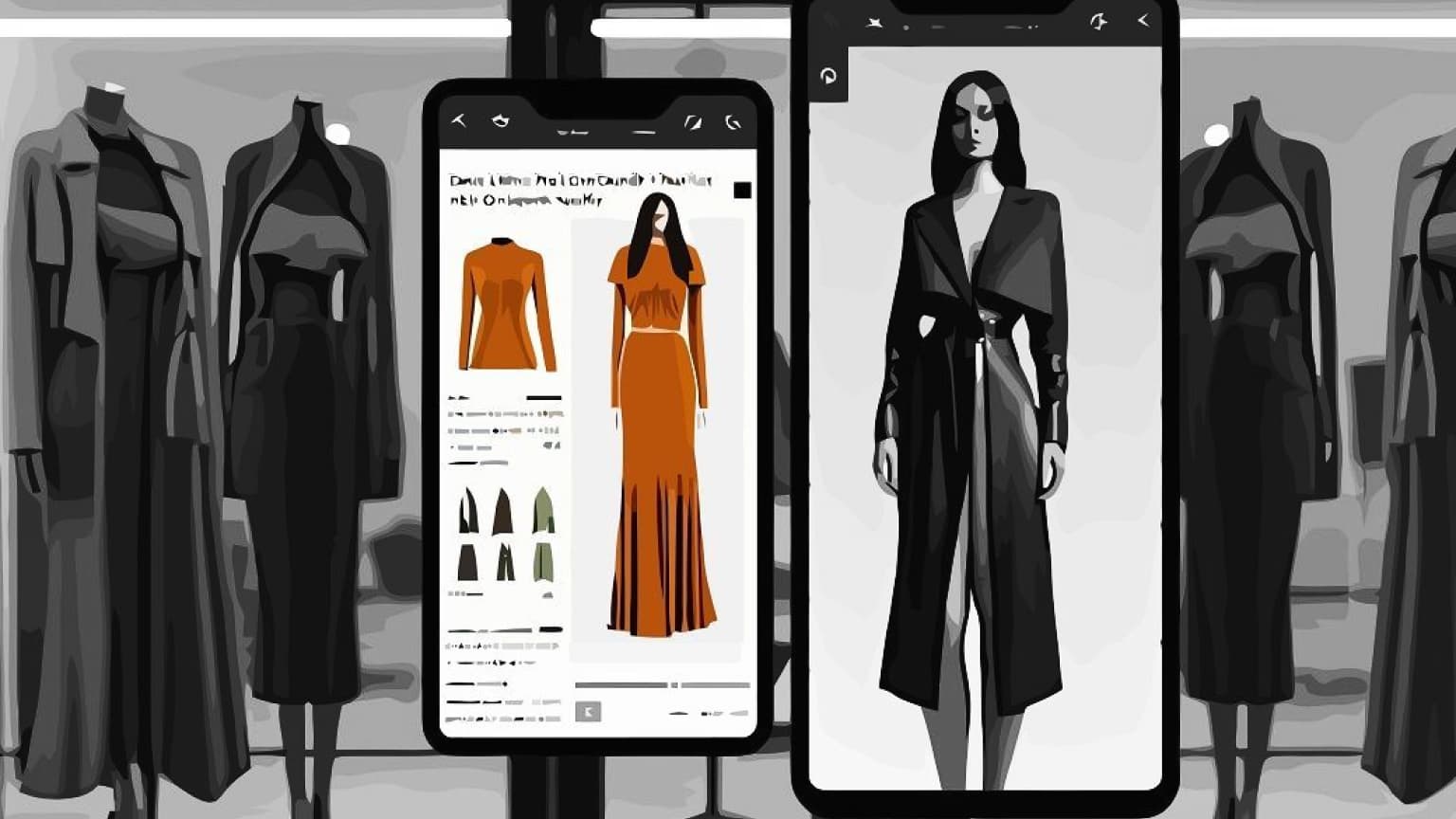
Alfred AI Fashion
AI-powered fashion platform using computer vision for personalized size prediction and style matching.

Tailor Store 3D
3D clothing visualization with computer vision-driven body measurement estimation.
Related Services

Natural Language Processing
Turn documents, conversations, and unstructured text into structured data you can act on.
- Intelligent Document Processing
- Named Entity Recognition
- Sentiment & Opinion Analysis
- Semantic Search

Data Engineering
Pipelines, warehouses, and real-time dashboards. The data infrastructure your ML models need to work.
- ETL/ELT Pipelines
- Data Warehouses
- Real-Time Streaming
- Analytics Dashboards
Next step
Have a vision problem?
Detection, classification, OCR, video analytics. Tell us what you need to see.