
We added the meeting
Once, somebody had the bright idea that the team was not close enough. Let’s call this idea `the Standup`. Any resemblance to actual meetings is purely coincidental. Probably
Introduction
The first Standup is the engineering Standup. Engineers gather, engineers say what they did yesterday, engineers say what they will do today, engineers say if anything is blocking them. Fifteen minutes. Every day. Then everyone goes back to writing software. It works. Not because it is fun. Because it is small.
Standup #2: the cohesion gambit
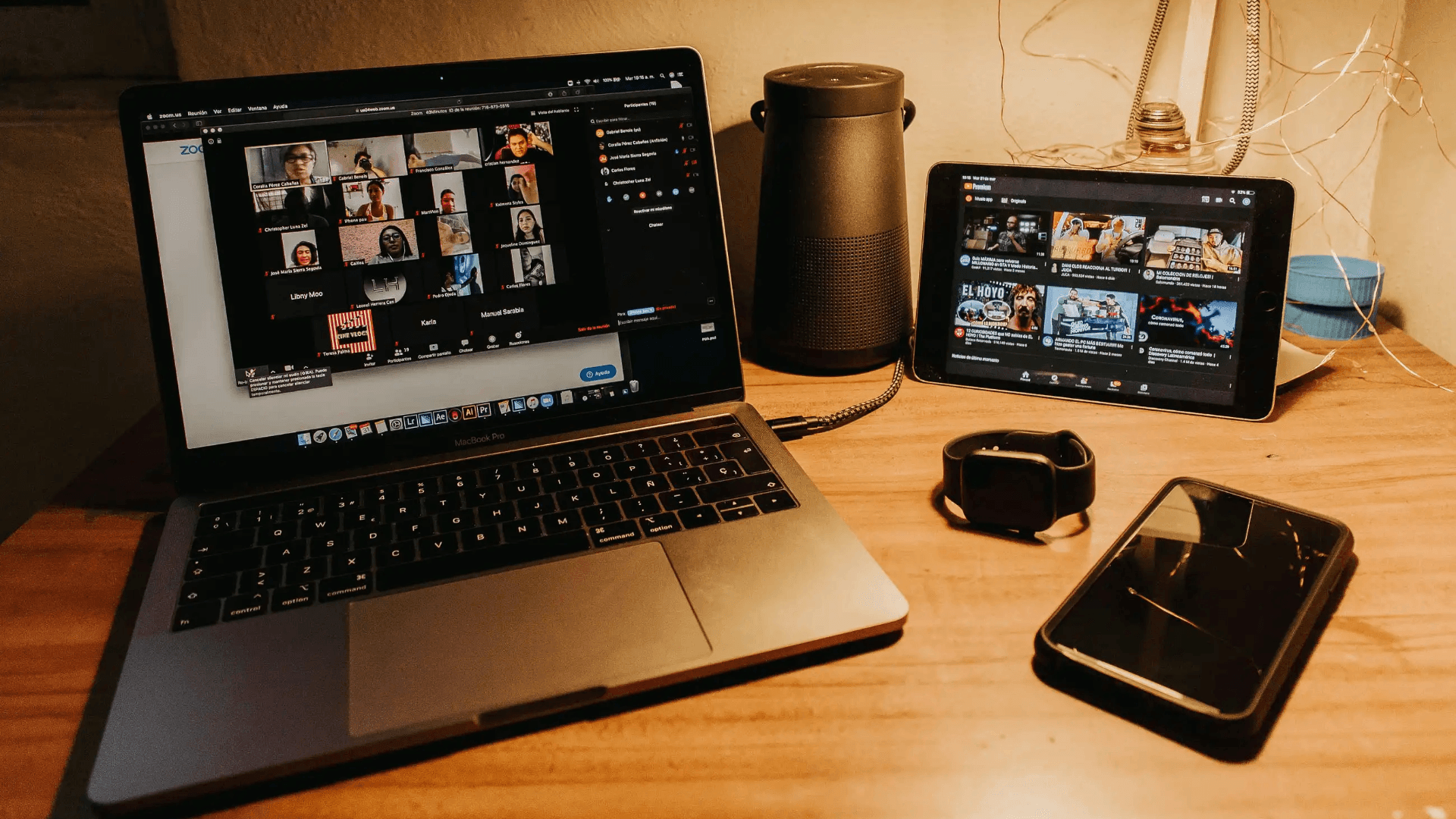
A founder, somewhere, looked at the engineering Standup and thought: what if we did this with everyone? Sales, marketing, ops, the new junior product hire who has not shipped anything yet. Twelve people on a Google Meet at nine in the morning. Same script. Same fifteen-minute promise.
By minute thirteen, nobody was sure why they were there.
It ran twenty minutes over. Status was shared. Nobody felt anything
Standup #3: the offsite encore
When the cross-team Standup did not produce cohesion, somebody scheduled an offsite. The offsite started with the Standup. In person. Same script. Same fifteen-minute promise. New chairs.
It ran twenty minutes over. Status was shared. Nobody felt anything.
There is a pattern here. Every Standup is built to deliver cohesion. Every Standup delivers status. It is hard to make people feel close to each other by handing them a microphone in alphabetical order
We added the meeting
I owe a confession on the cohesion thing. (I have been wrong publicly before. It is starting to be a brand.) For years, when the team felt distant, the reflex was to add a meeting. The cohesion Standup. The check-in Standup. The Friday wrap Standup. The let’s just see how everyone is doing Standup. The reflex was always the same. We are not close. Add a meeting.
The reflex is wrong. A team that feels distant does not need more performance. They need shared time that is not graded. The optional Friday game session, where four people show up to play a vibe-coded version of Pictionary. The lunch with no agenda. The half-hour at the start of an offsite where someone says so how is everyone, actually.
To be fair, the people who keep adding Standups are not foolish. They are looking at a real problem with a tool they trust. The instinct to gather is correct. The format is wrong. A status broadcast does not build trust. Non-broadcast time does. (None of this scales to twelve people in different time zones, which is exactly why teams keep drifting.)
So when a team feels distant, the move is not to add a meeting. The move is to take one away and replace it with time that is not status. Optional. Low-stakes. Off the clock. The sort of thing nobody can put on a quarterly OKR. Which is why, of course, nobody puts it on a quarterly OKR.
I know all of this because I have added the meeting. Three times. Maybe four. Each time, I told myself this one would be different. Each time, somebody quietly checked Slack while pretending to listen. Each time, by minute thirteen, nobody was sure why they were there. It ran twenty minutes over. Status was shared. Nobody felt anything.
We added the meeting. We are taking it away.
You might also like
Keep reading from the journal.
 May 6, 2026
Productivity
The billable hour was always a workaround
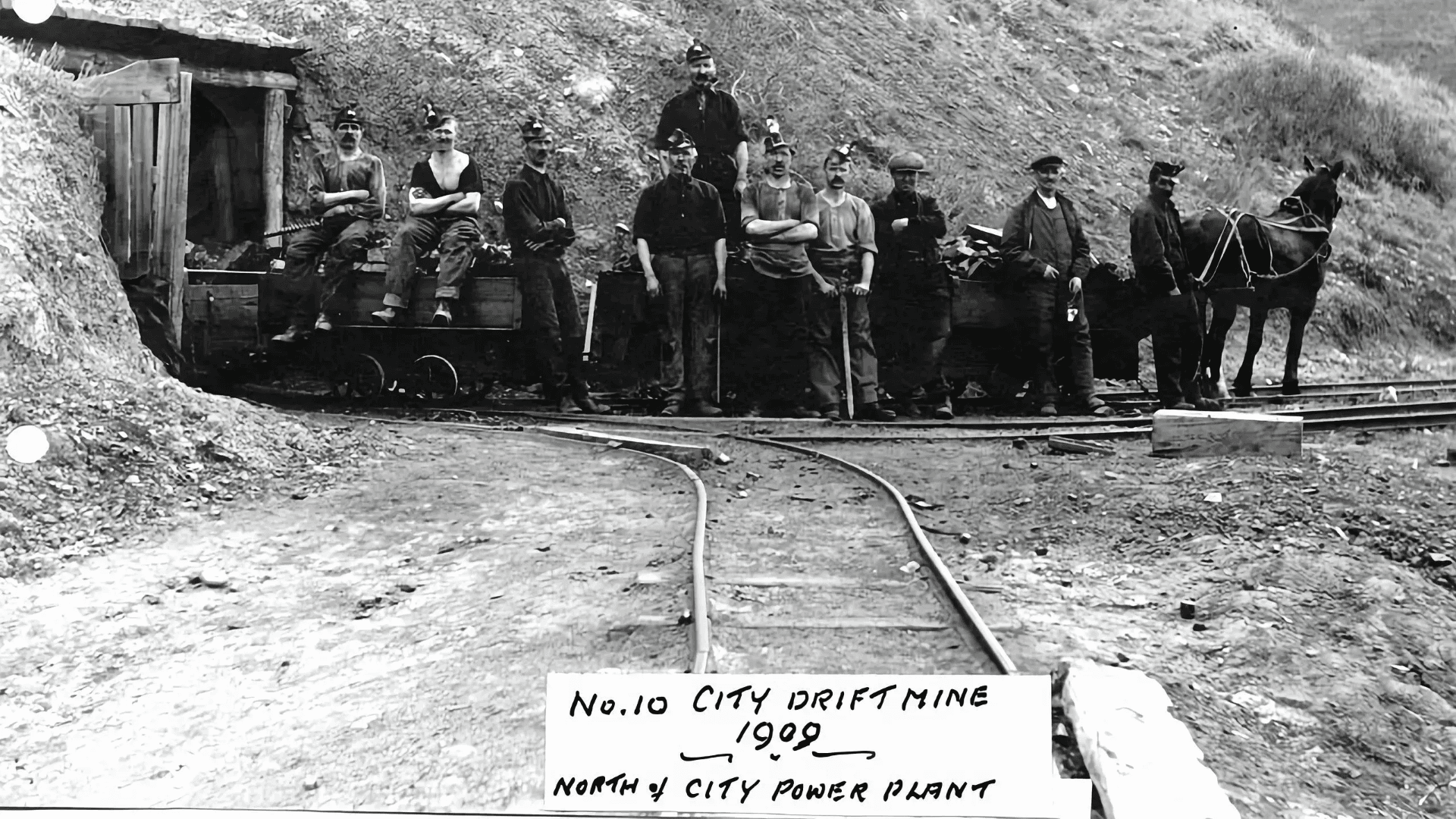
In the early 1900s, coal miners across South Wales were paid by the ton. It was a reasonable arrangement. Effort and output correlated tightly enough, measurement was simple, and the variance between a fast miner and a slow one was narrow enough that the proxy held.
 July 27, 2026
Analytics
Find the pay gap before the audit does
Controlled wage regressions and Oaxaca-Blinder decomposition find and price your unexplained pay gap before disclosure rules and regulators do it for you.
 July 27, 2026
Analytics
Your save offers go to customers who were staying anyway
Uplift modeling targets the customers your retention offer actually persuades, instead of spending the discount budget on accounts that were never leaving.