
The billable hour was always a workaround
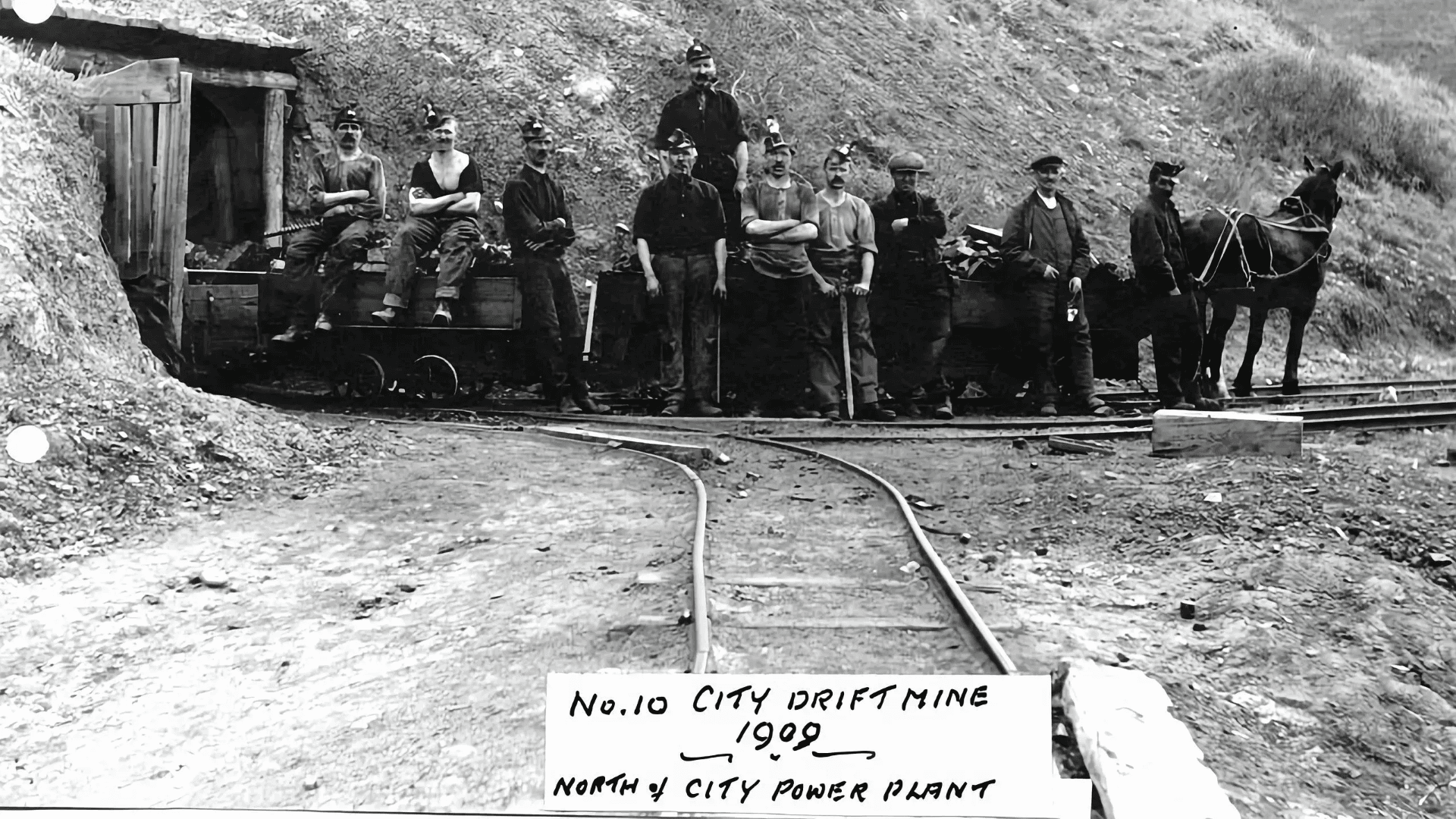
In the early 1900s, coal miners across South Wales were paid by the ton. It was a reasonable arrangement. Effort and output correlated tightly enough, measurement was simple, and the variance between a fast miner and a slow one was narrow enough that the proxy held.
Introduction
In the early 1900s, coal miners across South Wales were paid by the ton. It was a reasonable arrangement. Effort and output correlated tightly enough, measurement was simple, and the variance between a fast miner and a slow one was narrow enough that the proxy held. When mechanisation arrived and the cage could move twice the coal in half the time, the rate didn’t automatically adjust. Some operations held the ton-rate for years. The miners weren’t being cheated. The model just hadn’t caught up to what a ton now cost to produce. The billable hour is the same arrangement. And AI just arrived at the cage.
It Was Always a Proxy
Nobody ever thought hourly billing was elegant. It persisted because value is genuinely hard to measure and time is genuinely easy to count. If a feature took forty hours to build, charging for forty hours felt approximately fair. Not because the client was paying for time, but because time was the closest available unit to the thing they actually valued.
This worked for decades because the spread was manageable. A senior engineer might be twice as fast as a junior on a given task. Not five times. Not ten. The proxy was lossy but directional, and everyone agreed to treat directional as good enough. AI broke the directional relationship. A task that required twenty hours of careful engineering work now requires four hours of careful prompt engineering and review. The output quality is comparable. The invoice is not.
The agencies that haven’t looked at this are running a model where getting better at the work makes them less money. That’s not a new problem. Hourly billing always had this perverse incentive at the margin. AI just made the margin very large, very fast.
The Window Is Visible Now
For about six to twelve months, absorbing the productivity gain feels like winning. Faster delivery, same invoice, wider margin. We held our rates longer than we should have and called it the same thing.
What changed: clients started asking about AI. Not theoretically. Specifically. “How are you using it? Is it affecting timelines?” The question used to come from curious founders. Now it comes from procurement. That’s a different room.
The agency that delivers in two weeks what used to take five, and invoices for five, is making a statement whether it means to or not. The statement is: we don’t think the price reflects the work. The client who figures this out doesn’t renegotiate. They just don’t renew.
What Repricing Actually Requires
The conversation has been happening for years. Scoped delivery. Fixed fees for defined outcomes. Retainers for ongoing capability. These models exist and work. The obstacle was always that hourly billing is easy to defend. “That’s how many hours it took” is a complete answer to a client question. Value-based pricing requires a defensible answer to “worth it to whom, and how do you know?”
AI makes the old answer collapse. “That’s how many hours it took” stops being a complete answer when the client suspects the hours are compressible. The agencies working through the transition now are building something the hourly model never gave them: a price that doesn’t drop when they get better.
The ton-rate miners who held on longest weren’t the ones who got the best deal. They were the ones the mine owners repriced last.
You might also like
Keep reading from the journal.
 May 8, 2026
Productivity
We added the meeting
Once, somebody had the bright idea that the team was not close enough. Let’s call this idea `the Standup`. Any resemblance to actual meetings is purely coincidental. Probably
 July 21, 2026
Cloud
Build a Meeting Audio Action-Item Extractor with Thinking Machines Inkling
On July 15, 2026, Thinking Machines released Inkling, its first open-weights model: a 975B-parameter Mixture-of-Experts transformer with 41B active parameters, a 1M-token context window, and native audio input, under Apache 2.0.
 July 20, 2026
Leadership
Your loudest interviewer is deciding your hires
Anchored rubrics and rater analytics calibrate the hiring instrument